Frequently asked questions
Our Frequently Asked Questions provide clear, transparent and up-to-date information about ClubsACT, our role and the ACT club industry.
From membership and corporate partnerships to advocacy, events, industry initiatives and community impact, our FAQs are designed to make information easy to find and understand.
We are committed to open communication and regularly review our information to ensure members, stakeholders and the broader community can access accurate and relevant information about ClubsACT and the industry we represent.
Frequently Asked Questions
What is ClubsACT?
ClubsACT is the peak industry body representing licensed clubs across the Australian Capital Territory. We advocate on behalf of our members, provide industry leadership, facilitate education and networking opportunities, and promote the important contribution clubs make to the Canberra community.
What does ClubsACT do?
ClubsACT supports its members through:
- Advocacy with ACT and Federal Governments
- Industry representation
- Training and professional development
- Networking events and Micro-Conferences
- Corporate partnership opportunities
- Industry communications and publications
- Promotion of the club industry’s community impact
Who are ClubsACT members?
Our members are licensed clubs located throughout the ACT, ranging from large multi-purpose clubs to smaller community clubs. Together they employ thousands of Canberrans, support local sporting organisations and contribute millions of dollars back into the community each year.
There are 44 licenced Clubs in the ACT and 40 of them are members of ClubsACT.
Why are clubs important to the ACT community?
Clubs are much more than places to dine or socialise. They:
- Employ local people
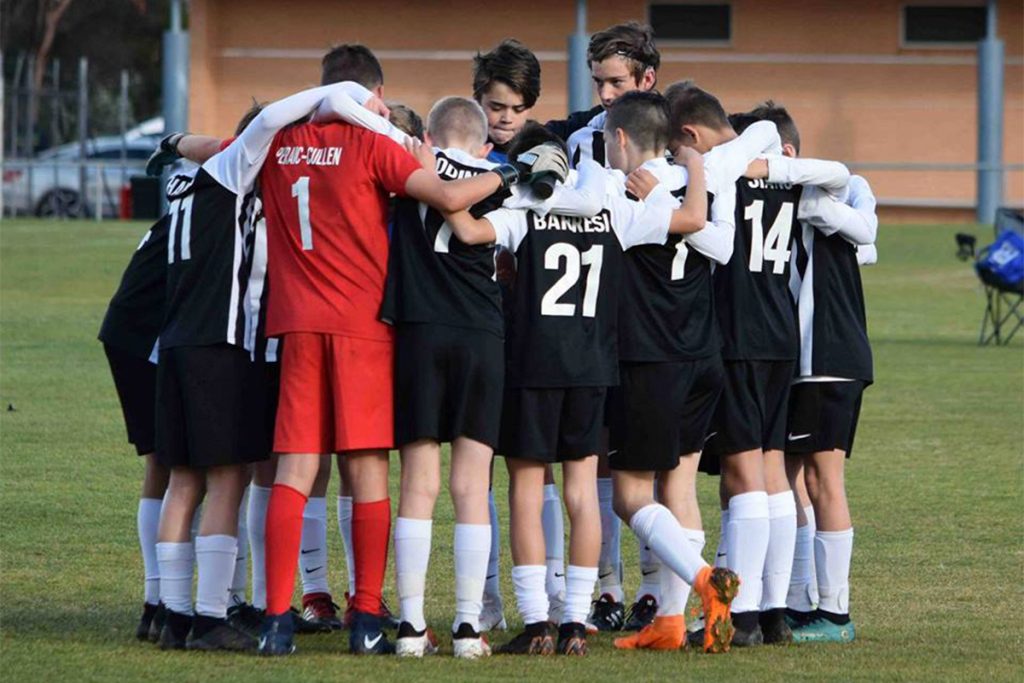
- Support grassroots sport and community organisations
- Provide welcoming spaces for people of all ages
- Invest in local infrastructure and facilities
- Deliver millions of dollars in community support annually
- Help build stronger, more connected communities
How do clubs give back to the community?
ACT clubs support hundreds of local organisations through sponsorships, donations, volunteer programs and in-kind support. From sporting clubs and charities to schools and community groups, clubs play an important role in improving the lives of Canberrans.
Are clubs not-for-profit organisations?
Yes. Licensed clubs in the ACT operate as not-for-profit organisations, meaning profits are reinvested into improving facilities, supporting members and giving back to the community.
How does ClubsACT advocate for the industry?
We work closely with government, regulators, industry partners and stakeholders to ensure the interests of clubs and their members are represented. We advocate for policies that support sustainable clubs while recognising their significant social and economic contribution to Canberra.
What is a ClubsACT Corporate Partner?
Corporate Partners are organisations that provide products and services to the club industry. Through partnership, they gain opportunities to connect with club leaders, participate in industry events and support the ongoing success of the ACT club sector.
How can my business become a Corporate Partner?
We offer a range of partnership packages designed to suit businesses of all sizes. Our Corporate Partnership Program provides valuable opportunities to build relationships with decision-makers across the ACT club industry.
Does ClubsACT host events?
Yes. Throughout the year we deliver:
- Industry networking events
- Micro-Conferences
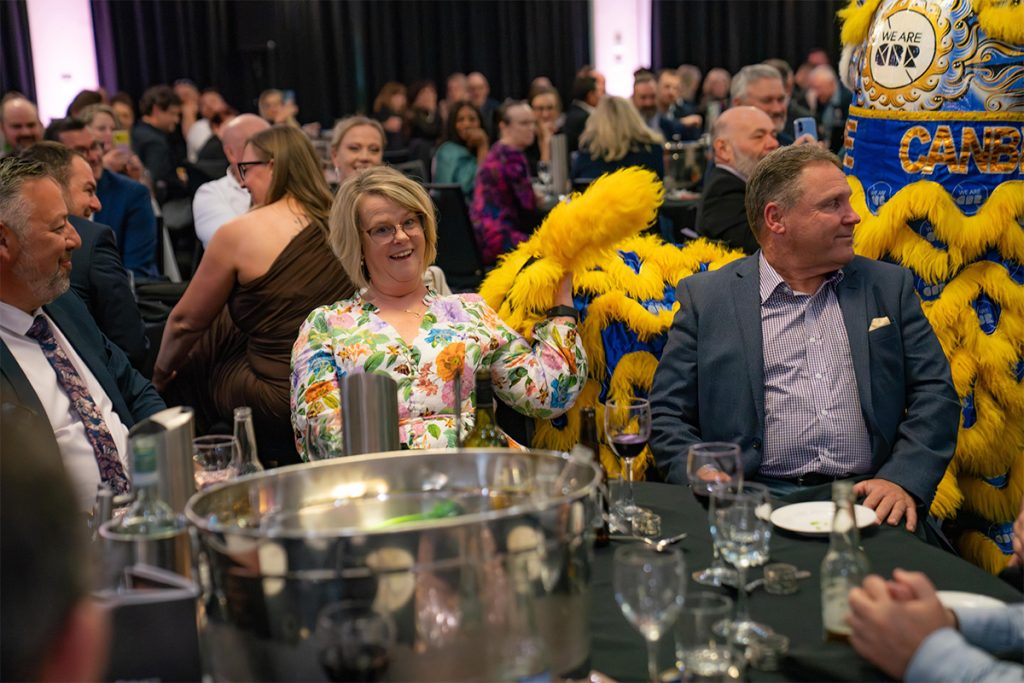
- Clubs & Community Awards
- Annual General Meeting
- Professional development sessions
- Industry celebrations
- Member briefings
These events help members stay informed, connected and engaged.
Where can I find industry news and updates?
You can stay informed through our:
- Website News section
- ClubsACTion Magazine
- Member newsletters
- Social media channels
- Industry events
How can I stay informed if I’m not a member?
We encourage you to follow ClubsACT on social media and subscribe to our newsletter to receive updates on industry news, events and initiatives.
How do clubs support responsible gambling?
ACT clubs are committed to providing safe and responsible gambling environments. Clubs work closely with regulators and government to implement responsible gambling measures, provide staff training and promote support services where required.
I’m looking for a club. Can ClubsACT help?
Yes. Our Members page provides information and links to ClubsACT member clubs across the ACT, making it easy to find a club that suits your interests, whether you’re looking for dining, entertainment, sport or community activities.
Does ClubsACT provide training?
Yes. ClubsACT regularly coordinates educational workshops, professional development sessions and industry conferences covering topics such as governance, leadership, compliance, workforce development, marketing and emerging industry trends.
How can I contact ClubsACT?
Our team is always happy to help. Visit our Contact Us page, call our office or send us an email and we’ll connect you with the right person.
Additional FAQs that reinforce the industry's value
How much do ACT clubs contribute to the community?
ACT clubs contribute millions of dollars each year through community funding, sponsorships, local employment, sporting partnerships and charitable initiatives. Their impact extends well beyond their club walls, supporting the wellbeing and prosperity of communities across Canberra.
Why do clubs invest in sporting facilities?
Many ACT clubs were established to support local sporting communities. Today they continue to invest in playing fields, clubhouses, equipment, junior development programs and community facilities that benefit thousands of participants each year.
What role do clubs play in creating jobs?
The club industry is a significant local employer, providing careers in hospitality, management, events, finance, marketing, administration, gaming, tourism and community services. Clubs also offer valuable training and career development opportunities for people entering the workforce.